

Heating / Chilled Water
Commercial Process Cooling

There are different heating types including heat pumps:
Heating / Chilled Water
Heating and Chilled Water Systems
Heating and chilled water systems are commonly used in commercial buildings to provide year-round temperature control. Rather than heating or cooling air directly at multiple locations, these systems use water as the medium to transfer energy throughout the building. We have installed many systems over the years and they are some of the best energy saving and cost saving units on the market.
A heating hot water system generates heated water, typically between 60°C and 80°C, using boilers, heat pumps, or other heat sources. The hot water is circulated around the building through a network of insulated pipework.
How it Works :
Boiler or heat pump heats the water.
Pumps circulate the hot water around the building.
Water passes through:
Fan Coil Units (FCUs)
Air Handling Units (AHUs)
Radiators
Underfloor heating systems
Heat is transferred into occupied spaces.
Cooler water returns to the plant room to be reheated.
Typical Applications
🏭 Food Manufacturers 🛒 Supermarkets 🍽️ Restaurants & Catering
💊 Pharmaceutical Facilities 🚚 Distribution Centres ❄️ Cold Storage Warehouses
🏨 Hospitality Venues 🏥 Healthcare Facilities 🏭 Food Processing Plants
Application Temperature Range
Comfort Cooling 18°C – 24°C
Commercial Chillers +1°C – +5°C
Food Preparation Areas +2°C – +8°C
Cold Rooms 0°C – +5°C
Freezer Rooms -18°C – -25°C
Blast Freezers -30°C – -40°C
Benefits
✔ Energy efficient
✔ Easy zoning and control
✔ Suitable for large buildings
✔ Compatible with renewable technologies such as heat pumps
✔ Lower maintenance compared to direct electric heating
Chilled Water Systems
A chilled water system operates in the opposite way. A chiller cools water to approximately 4°C–7°C and circulates it around the building to absorb unwanted heat.
Benefits
✔ Highly efficient cooling
✔ Excellent temperature control
✔ Suitable for multiple zones
✔ Scalable for large buildings
✔ Lower operating costs than multiple split systems
Key benefits of these systems include:
By switching to a commercial heat pump system, businesses can significantly improve energy efficiency while reducing their environmental impact.
Waste Heat Recovery from Chillers
In many commercial buildings, cooling systems and chillers release large amounts of waste heat into the atmosphere during the air-conditioning process. Instead of allowing this energy to be lost, heat recovery systems and air source heat pumps can capture and reuse it.
Our heat recovery solutions convert waste heat generated by chillers into a valuable energy source. The recovered heat can then be reused to support other building systems, such as domestic hot water production or space heating.
By integrating waste heat recovery technology with your existing HVAC system, businesses can:
Recovering and reusing waste heat not only improves building efficiency but also helps organisations move closer to their energy efficiency and sustainability targets.
Water Chillers
A commercial water chiller is a cooling system that removes heat from water and circulates chilled water around a building to provide air conditioning or process cooling.
They are commonly used in:
- Offices
- Hospitals
- Hotels
- Data centres
- Manufacturing facilities
- Shopping centres
- Universities
- Pharmaceutical and food production facilities
How a Water Chiller Works
The chiller cools water to typically 4–7°C and pumps it through a closed pipework system.The chilled water is circulated to:
- Fan Coil Units (FCUs)
- Air Handling Units (AHUs)
- Process cooling equipment
As warm air passes over cooling coils within these units, heat transfers into the chilled water.
The warmed water then returns to the chiller, where the heat is removed and rejected outside the building before the water is cooled again and recirculated.
Advantages
- Lower installation cost
- No cooling tower required
- Easier maintenance
- Suitable for most commercial buildings
Typical Applications
- Offices
- Retail units
- Schools
- Healthcare buildings
Type Typical Application
- Scroll Small to medium commercial buildings
- Screw Medium to large commercial buildings
- Centrifugal Large-scale cooling plants
- Magnetic Bearing High-efficiency, low-maintenance installations
- Energy Efficiency Features
- Modern chillers often include:
- Variable Speed Drives (VSDs)
Benefits of Commercial Chillers
✔ Precise temperature control
✔ Energy-efficient cooling for large buildings
✔ Scalable for future expansion
✔ Long equipment lifespan (15–25 years+)
✔ Suitable for simultaneous cooling across multiple zones
✔ Can integrate with heat recovery and low-carbon technologies
Typical Maintenance Requirements To maximise reliability and efficiency, chillers should receive:
- Quarterly or biannual servicing
- Refrigerant leak checks
- Water quality testing
- Condenser and evaporator cleaning
Recovering and reusing waste heat not only improves building efficiency but also helps organisations move closer to their energy efficiency and sustainability targets.
Our Heating Solutions
Recent Case Studies
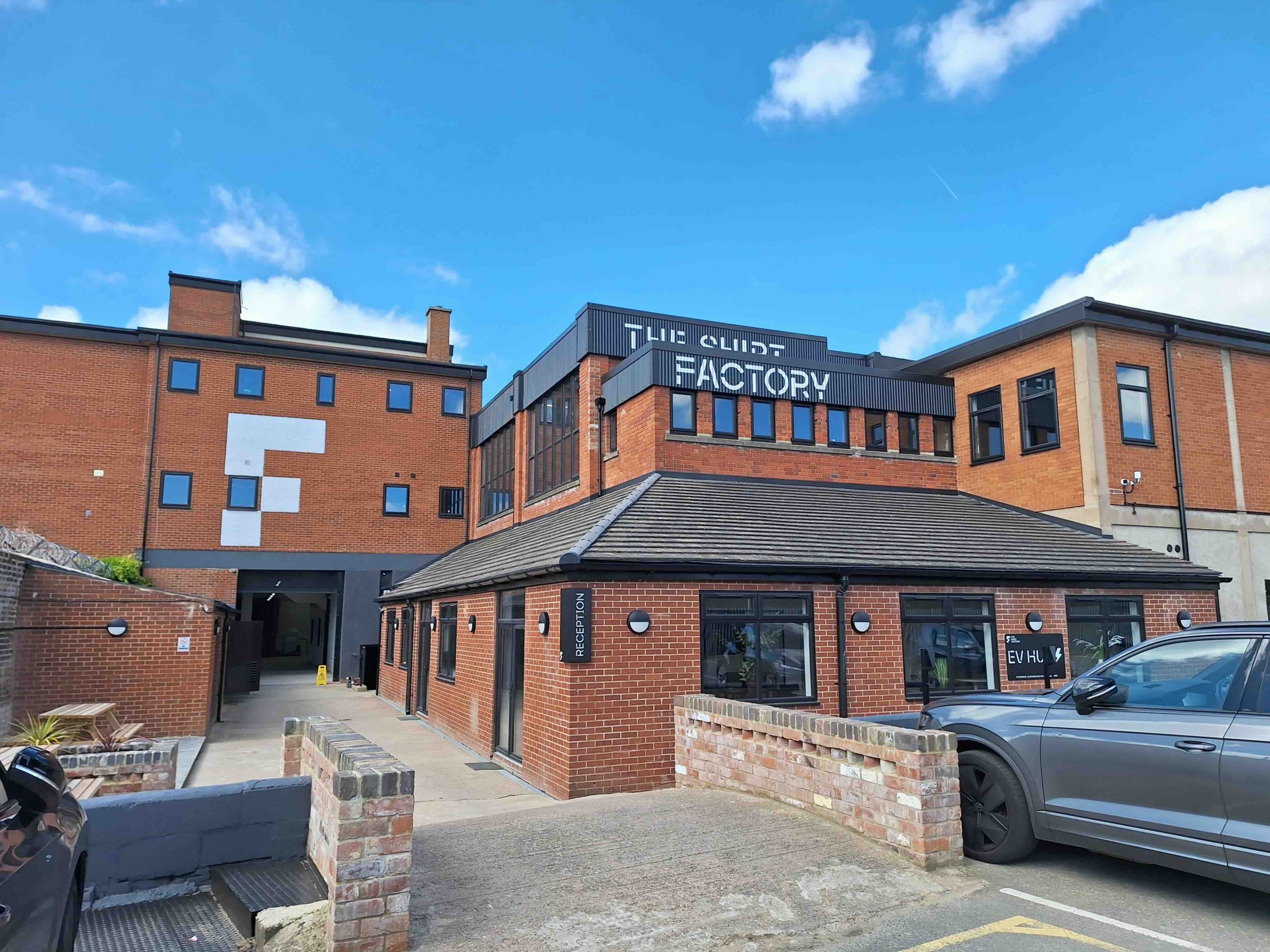
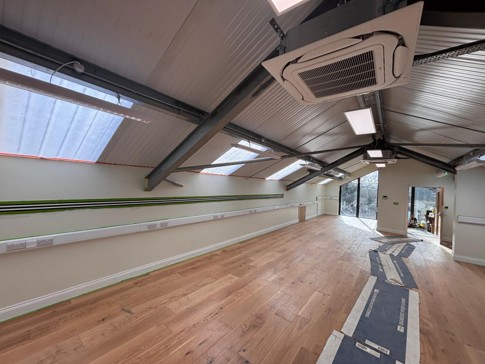
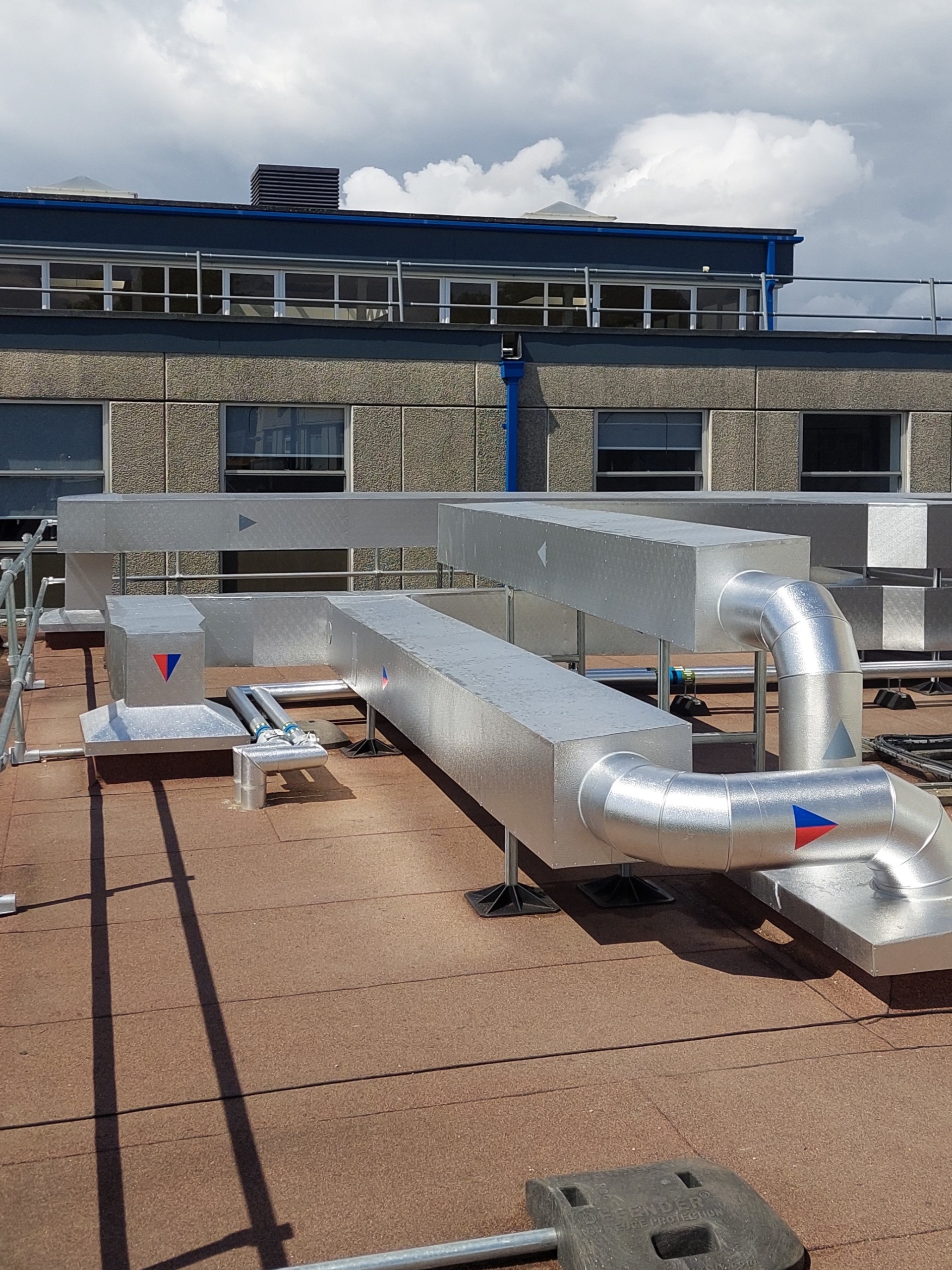


What our clients say
Terry Wicks (superstar). Terry has been very helpful over the last week. He popped into Lavington Street each morning to check the system. He made changes to see if we could right the wrong. He explains everything in a language that I understand. In other words, he doesn’t blind you with science. Terry is also a lovely chap and an asset to your team.
The way your team have applied themselves and delivered over the past 18 months is second to none and this has only reinforced the relationship. It has also given me kudos as I brought you in, so thank you. I know that Peter and Danny are both new employees but whoever is doing the recruitment needs a huge pat on the back. They have been incredible. Technically, attitude, application are all top draw. They really are (after 1 month) the go-to guys on site. Feedback from colleagues, staff and students has been positive in regards to reaction times and job done first time.
Greig has done a great job on the monthly report and we spoke with all parties on our to keep the system working as efficiently and raise any concerns at the earliest opportunity. Please say a special thanks to Greig for his desire to make sure the Planet PPM system works as well as possible to not only achieve the SLA’s but also as a system to make sure we have a reliable and robust record of the good work we carry out on a month to month basis.